



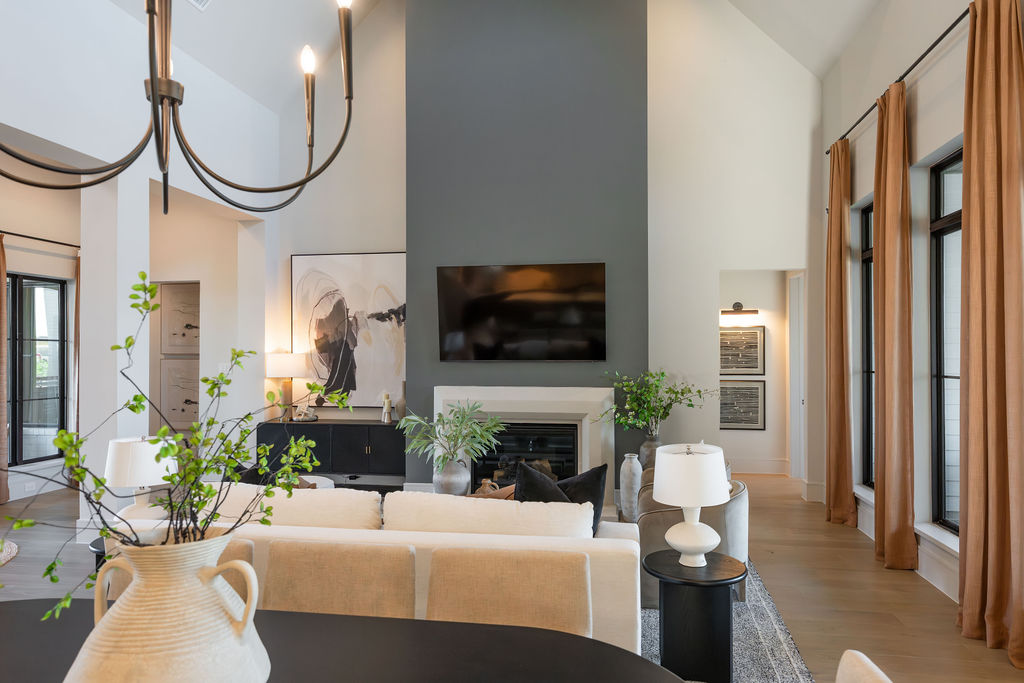
DIY home staging sounds appealing — especially when you’re trying to save money before selling. A few décor tweaks, some decluttering, maybe a new rug… how hard could it be?
In reality, DIY staging backfires far more often than sellers expect.
In Houston and Austin’s competitive real estate markets, buyers are comparing homes quickly and critically. What feels “good enough” to a homeowner often reads as awkward, dated, or unfinished to a buyer — especially online.
This post breaks down why DIY home staging fails, the most common mistakes sellers make, and when professional staging actually saves time, stress, and money.
Why DIY Home Staging Is More Risky in 2026
Buyer behavior has changed.
In 2026, most buyers:
-
Compare similar homes side-by-side
-
Expect move-in-ready presentation
-
Form opinions within seconds
That means there’s very little margin for error. A home that doesn’t photograph well or feel right immediately often gets skipped — even if it’s priced competitively.
DIY staging usually fails because it’s based on personal familiarity, not buyer perception.

Mistake #1: Emotional Blindness to Your Own Home
This is the biggest DIY staging issue — and the hardest to fix.
Homeowners are emotionally attached to:
-
Furniture they’ve lived with for years
-
Family photos and collections
-
How they personally use each room
Buyers don’t see any of that. They’re trying to imagine their life in the space.
Professional stagers are objective. They design for the buyer, not the seller.
DIY staging often leaves:
-
Too many personal items
-
Overfilled rooms
-
Unclear room purpose
Which leads to hesitation — and hesitation kills offers.
Mistake #2: Furniture That’s the Wrong Scale
Furniture scale is one of the most common DIY staging failures.
Common problems include:
-
Oversized sectionals that shrink the room
-
Undersized furniture that makes spaces feel empty
-
Furniture pushed against walls, killing flow
Buyers subconsciously judge room size based on furniture — not square footage.
If buyers can’t tell how a room functions, they assume the worst.
Mistake #3: DIY Staging Focuses on Décor, Not Strategy
Pinterest and Instagram have convinced sellers that staging is about:
-
Throw pillows
-
Trendy colors
-
Decorative accents
But staging is about guiding buyer behavior.
Professional staging considers:
-
Sightlines when entering rooms
-
How buyers move through the home
-
Where the eye naturally lands
-
How light is perceived
DIY staging rarely addresses these fundamentals.
Mistake #4: Over-Trending the Space
Trends move fast. Homes don’t.
DIY stagers often lean too heavily into:
-
Bold accent walls
-
Statement wallpaper
-
Ultra-specific styles
While trends can photograph well, they can also:
-
Alienate buyers
-
Limit imagination
-
Date the listing quickly
Professional stagers use trends subtly — not aggressively.
Mistake #5: Treating Occupied Homes Like Vacant Homes
DIY staging advice online often ignores one major reality: most sellers are still living in their homes.
Occupied homes require:
-
Editing, not replacement
-
Strategic removal, not total clearing
-
Balance between comfort and neutrality
DIY attempts often swing too far in one direction:
-
Too cluttered → feels cramped
-
Too empty → feels cold
Mistake #6: Underestimating How Long DIY Takes
DIY staging often takes longer than professional staging.
Why?
-
Decision fatigue
-
Multiple trial-and-error attempts
-
Last-minute scrambling before photos
Professional staging follows a clear process and timeline.
Many sellers attempt DIY staging first — then call a professional after the home sits.
Mistake #7: Poor Listing Photos
DIY staging often looks “fine” in person — but photographs terribly.
Issues include:
-
Dark corners
-
Flat rooms
-
Visual clutter
-
Awkward angles
Online photos are the first showing. If they don’t perform, buyers never walk through the door.
Mistake #8: DIY Staging Doesn’t Adapt to Buyer Demographics
Different buyers expect different things.
-
Function
-
Storage
-
Comfortable layouts
Luxury buyers expect:
-
Scale
-
Restraint
-
Elevated finishes
DIY staging rarely adjusts based on buyer type.
When DIY Staging Might Work (Rare Cases)
DIY staging can work if:
-
The home is already minimally furnished
-
Furniture is modern and correctly scaled
-
The seller understands buyer psychology
-
Competition is extremely low
Even then, professional guidance often improves results.
When Professional Staging Is the Better Choice
Professional staging is usually the smarter investment when:
-
The home is vacant
-
The home has been sitting on the market
-
You’re competing with new builds or flips
-
You want strong first-week momentum

DIY vs. Professional Staging: The Real Cost Comparison
DIY staging often looks cheaper upfront — but hidden costs add up:
-
New furniture purchases
-
Storage fees
-
Delayed sale
-
Price reductions
Professional staging focuses spending where it creates return, not where it feels productive.
Not Sure If DIY Is Enough for Your Home?
A professional staging consultation can help you decide what’s worth doing — and what isn’t — before you spend time or money in the wrong places.
Request a Home Staging Consultation in Houston or Austin
Final Thoughts: DIY Feels Easier — Until It Isn’t
DIY home staging fails not because sellers don’t care — but because staging is a strategy, not a style project.
In competitive Houston and Austin markets, homes need:
-
Clarity
-
Flow
-
Buyer-focused presentation
When done right, staging removes friction, not adds to it.
Ready to Stage Your Home With Confidence?
If you’re selling in Houston or Austin and want expert guidance that saves time, reduces stress, and helps your home stand out, we’re here to help. Our staging strategies are designed around buyer behavior — not guesswork.